
Protection Without Predictability
The promised manufacturing renaissance has yet to materialize

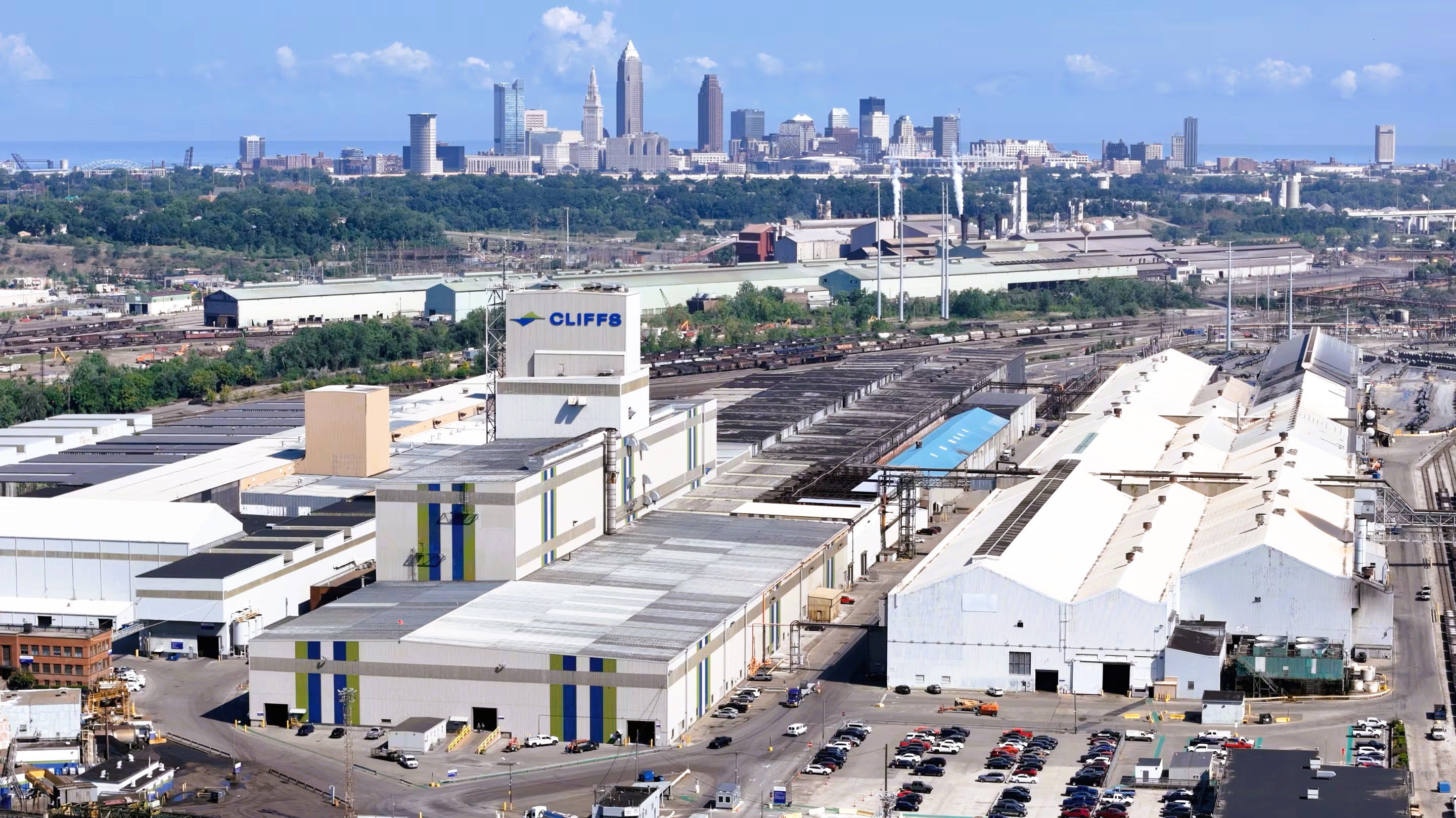
Markets can live with almost any policy — taxes, subsidies, tariffs — as long as they believe the rules will hold. What markets struggle with is not cost, but uncertainty. Investment requires confidence that today’s incentives will still exist tomorrow. That is the quiet force shaping American manufacturing and global trade at the same time.
Over the past year, U.S. tariffs rose to levels not seen in a century, averaging roughly 17 percent. The goal was straightforward: raise the cost of imports, give domestic producers breathing room, and encourage factories and jobs to return to the United States.
The effects have been measurable. Tariff revenue surged into the hundreds of billions of dollars. Import patterns shifted. The trade deficit narrowed sharply before partially rebounding. Prices for many imported goods moved higher, though less dramatically than some predicted.
What has not yet materialized is a broad factory hiring boom. Industrial production has ticked up modestly, but manufacturing employment has continued to slide. Gains have been concentrated in aerospace and electronics, sectors less burdened by tariffs, while production in heavily tariffed industries such as autos and parts has declined. Construction of new factories, elevated since the pandemic, has slowed from peaks driven by earlier semiconductor and battery subsidies.
Inside factories and across borders, the same hesitation is visible. Companies are not debating whether tariffs help or hurt them. They are debating whether tariffs will last.
Keep reading with a 7-day free trial
Subscribe to The Rising Tide to keep reading this post and get 7 days of free access to the full post archives.