
A Fragile Assumption Breaks
A slow-moving supply crisis is spreading through industries and households

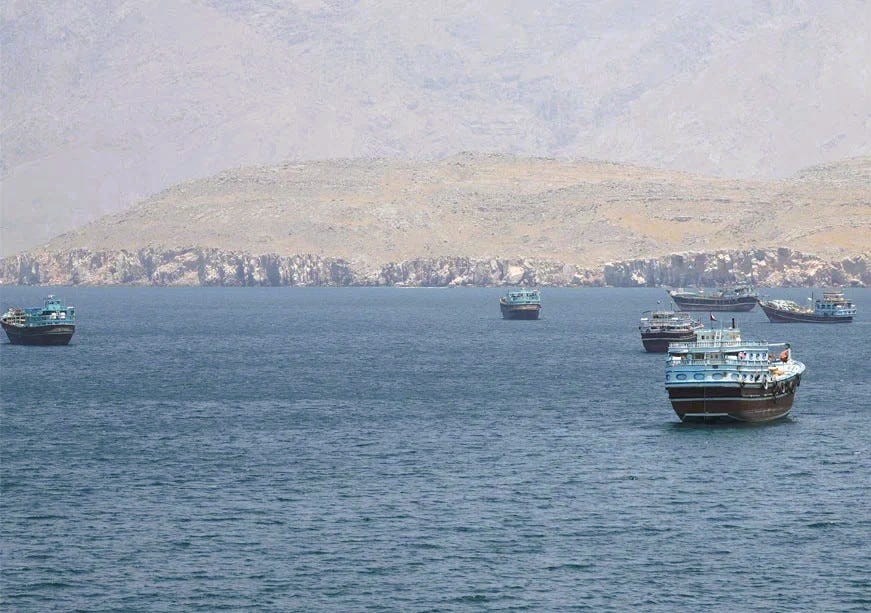
For years, the global economy rested on the assumption that the Strait of Hormuz would remain open, no matter how tense politics in the Middle East became.
Oil traders, shipping companies and governments understood the risks surrounding the narrow waterway between Iran and the Arabian Peninsula, assuming the economic consequences of closure would be too severe for anyone to tolerate for long.
Three months into the current conflict, that assumption no longer holds. What initially looked like another temporary energy shock is becoming something more disruptive, a supply crisis spreading through industries and households far removed from the conflict.
Around the world, the effects are no longer measured only in higher oil prices or nervous financial markets. The shortages are becoming physical, visible in rolling blackouts, rationed fuel supplies and factories operating below capacity because critical materials are harder to obtain.
“It’s not just a price shock, it’s explicit shortages,” Krishna Srinivasan, a director at the International Monetary Fund, told The Wall Street Journal. “In the context of shortages, industry scales back, people lose their jobs, and this has a secondary impact on growth.”
Keep reading with a 7-day free trial
Subscribe to The Rising Tide to keep reading this post and get 7 days of free access to the full post archives.